

NEW ADVENT ISSUE • VOL. II, NO. 3 (ISSUE 4)

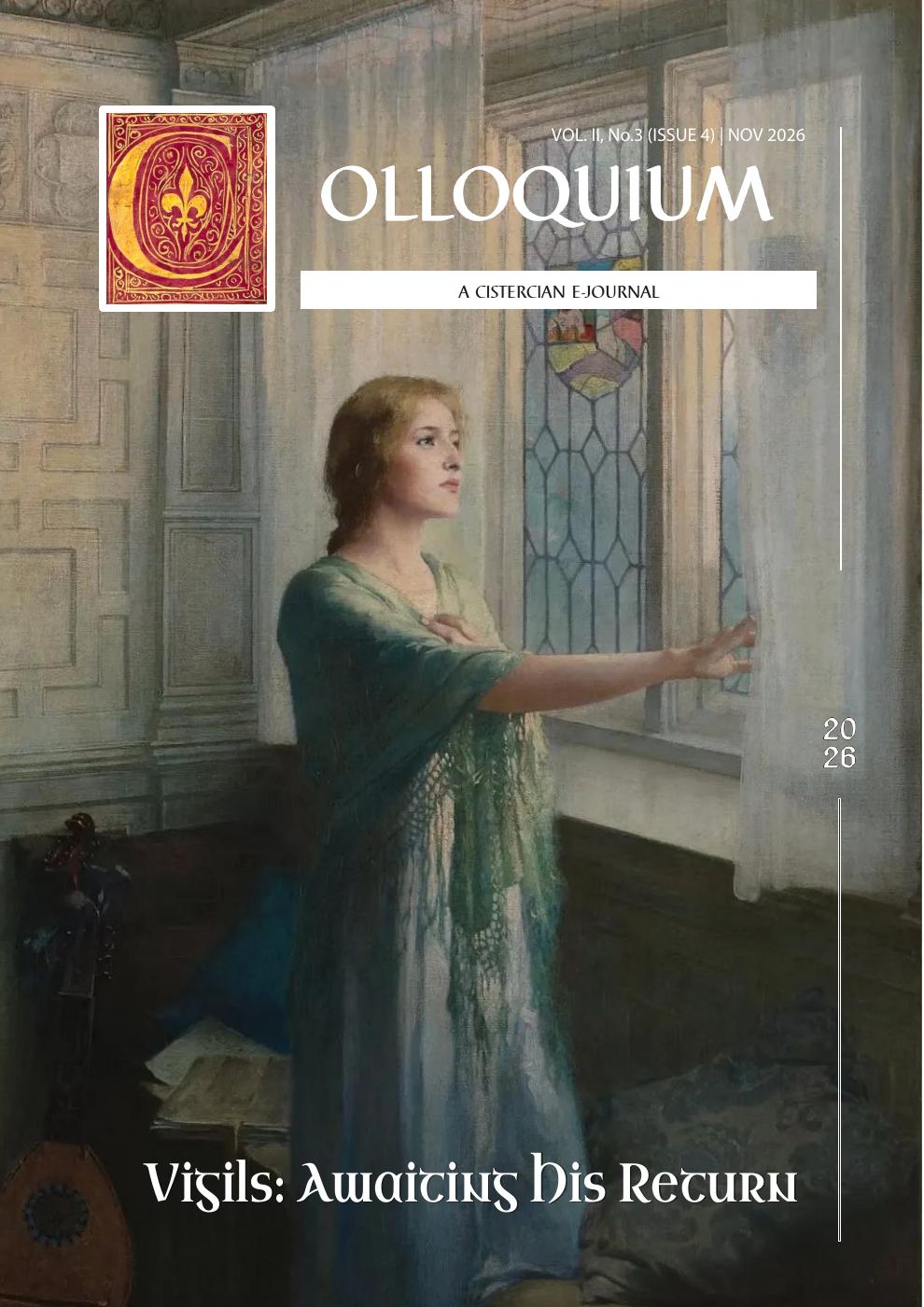
Vol. II, No. 3 (Issue 4): Vigils, Awaiting His Return
This Advent issue explores the monastic tradition of Vigils—the quiet nocturnal watch before dawn. Led by reflections from our Abbot General and candid testimonies from monks and nuns across the Oriens region, this edition shares both the daily struggles and the quiet grace and beauty of keeping watch in prayer. It also features a special article on the “O” Antiphons and two texts from the twelfth-century Cistercian master Alan of Lille.
Click on the button below to download a printable file. Or click on the cover image to launch the flipbook viewer.
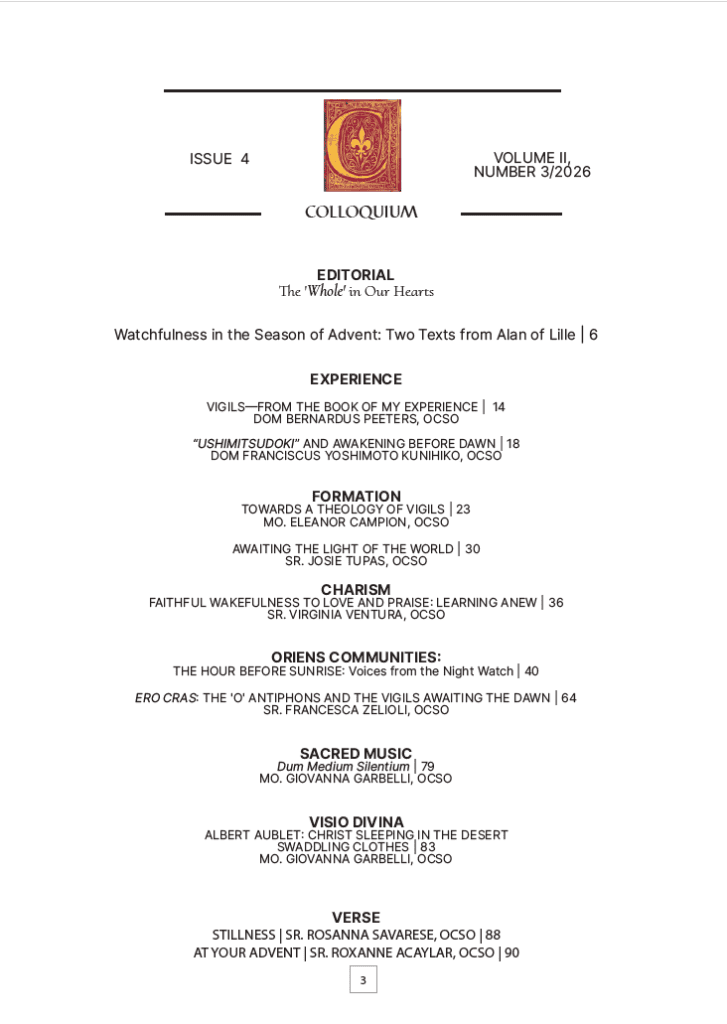
In this Issue of Colloquium
FEATURED ARTICLES
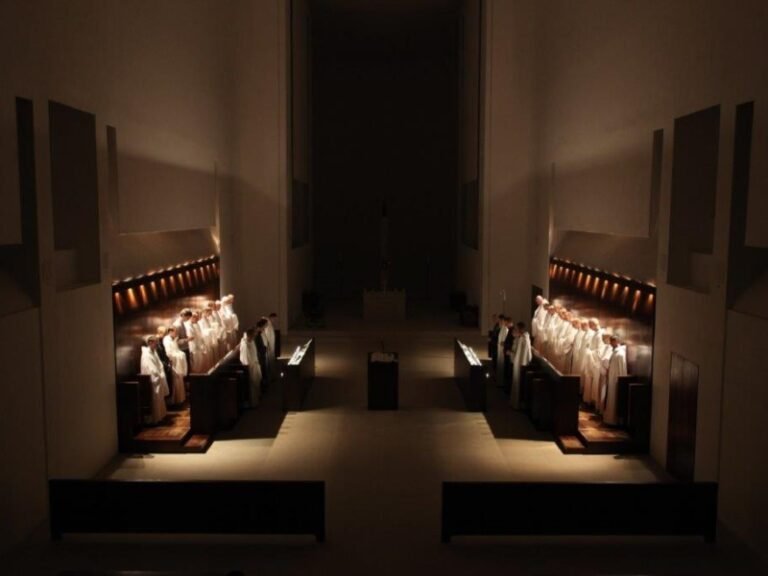
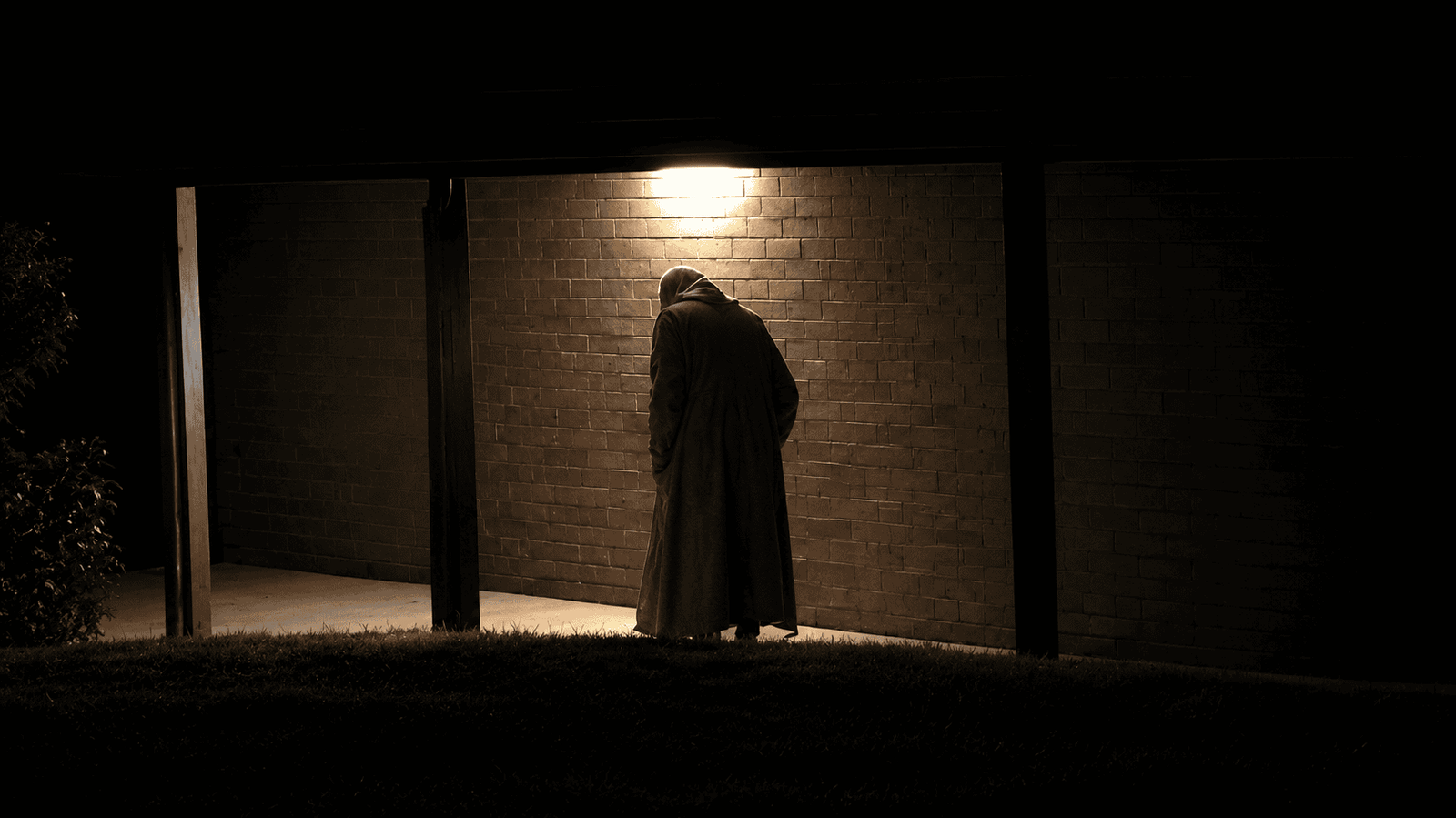
Monks praying at night.
Photo courtesy of Nový Dvůr
Vigils – from the Book of My Experience
Dom bernardus peeters, ocso
Like so many brothers and sisters, I found that praying during the night was one of my main reasons for joining our Order. The night vigil and the quiet time that followed, devoted to personal prayer and lectio divina, touched something I was searching for. The early hour, the darkness, and the silence helped me open myself to God. At the same time, the community sustained me: I was not keeping watch alone, but together with my brothers.
“Ushimitsudoki” and Awakening before Dawn
dom Franciscus yoshimoto, kunihiko, ocso
In the traditional Japanese sense of time, the hours between 1:00 and 3:00 a.m. are known as the “Hour of the Ox” (Ushi no Koku), with its deepest point around 2:00 a.m. called Ushimitsudoki. This is not merely a late hour of the night. Described in Japanese tradition as the time when “even the plants and trees sleep,” it is a profoundly unique period when the vital activities of nature sink to their lowest ebb, and the boundaries that sustain our daytime order dissolve.
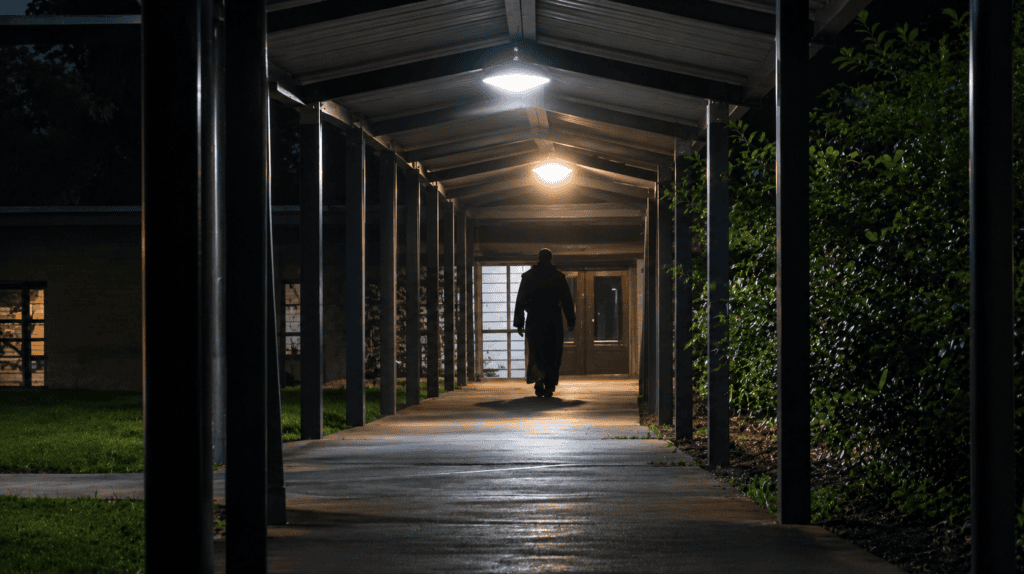
A monk going to Vigils.
Image courtesy of Tarrawarra Abbey
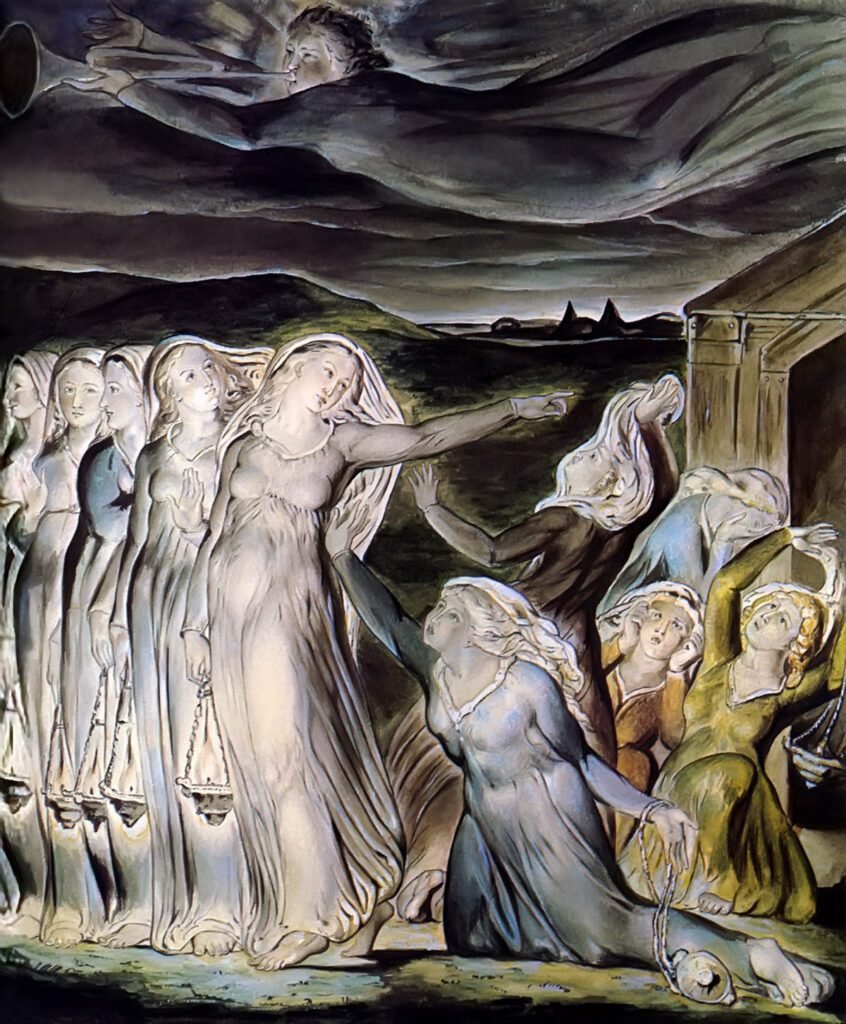
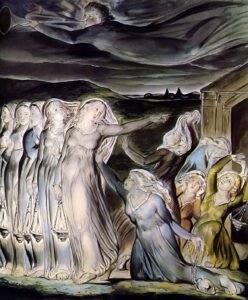
William Blake, The Parable of the Wise and Foolish Virgins, ca. 1825. Watercolor. Yale Center for British Art, Paul Mellon Collection. Public Domain.
Towards a Theology of Vigils
mo. eleanor campion, OCSO
The primary significance of our vigil-keeping is eschatological. Jesus told us to wait expectantly for his return – and that is what we do. In another parable, he warned us to be ready, like the wise virgins, because “At midnight, there was a cry: ‘Look! The Bridegroom! Go out and meet him!'”
Awaiting the Light of the World
SR. JOSIE TUPAS, OCSO
The modern understanding of time is linear, metric, and strictly partitioned into twenty-four uniform hours. For the medieval monk, however, time was fluid, seasonal, and profoundly theological. Grounded in the ancient Roman system of dividing daylight and darkness into the seasonal hours, the monastic schedule expanded and contracted with the sun. As the sun fluctuated, so too did the rising bell. The monastic horarium made the act of repose and rising an ever-changing test of obedience and fidelity.
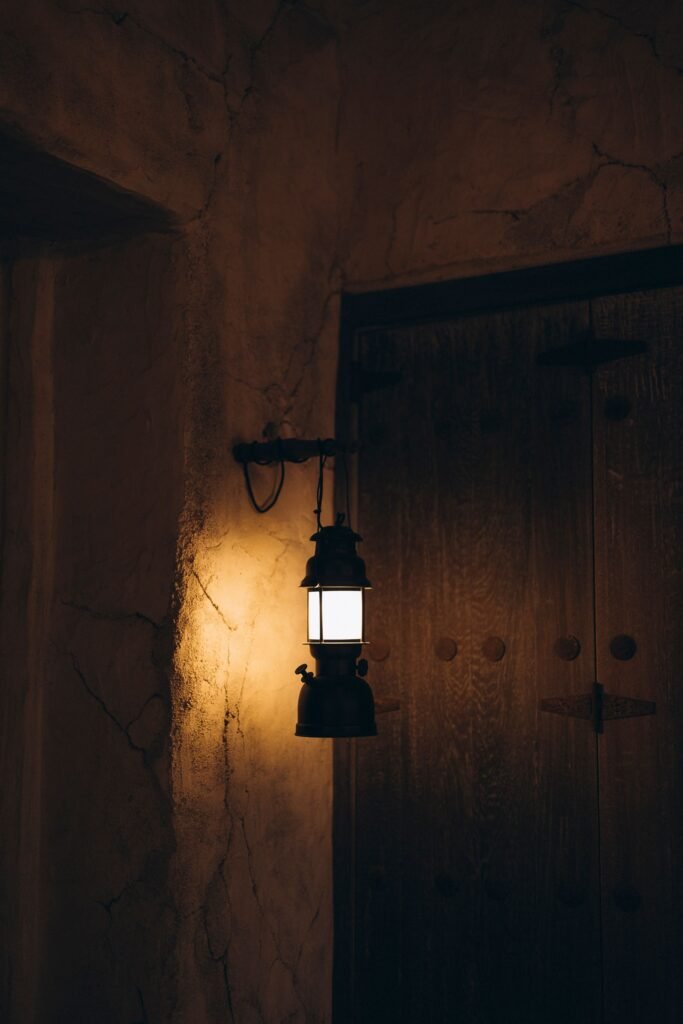
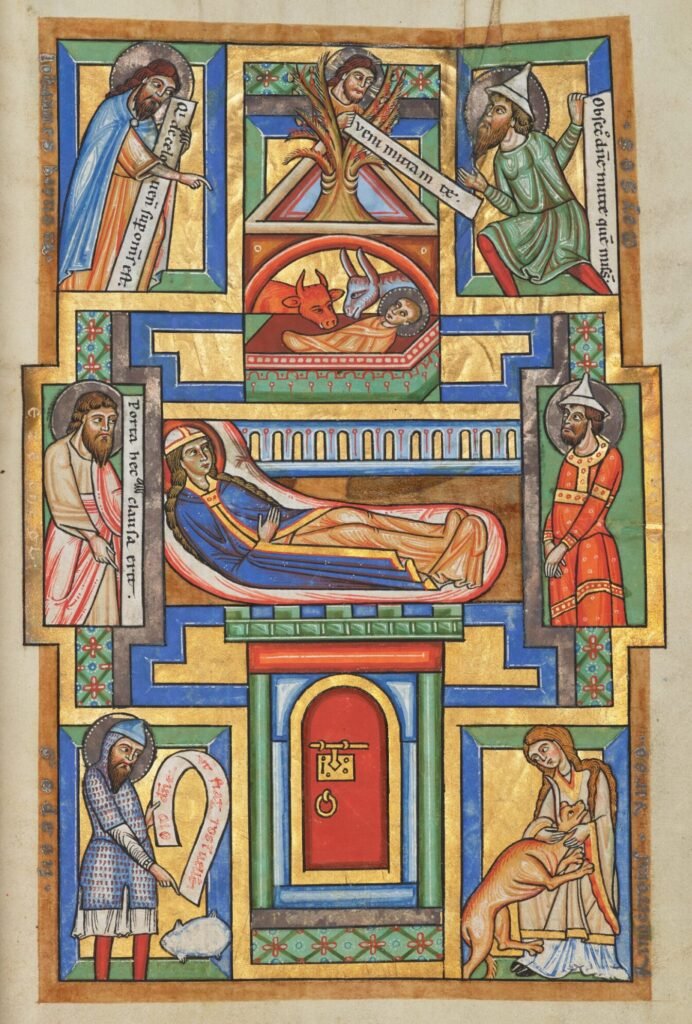
“ERO CRAS”: The ‘O’ Antiphons
SR. FRANCESCA ZELIOLI, OCSO
This article interweaves two realities to which the liturgical life of the Advent season calls us: the waiting marked in particular by the seven antiphons we sing at Vespers during the Christmas Novena, and the nocturnal prayer of Vigils. We wish to show that the O Antiphons are not merely ancient and beautiful, but are, in the truest sense, a vigil song: the cry of one who, when the day declines, does not resign himself to the night, but calls out to Him who is to come.
READ NOWSPECIAL FEATURE:
THE HOUR BEFORE SUNRISE:
Voices from the Night Watch
From the watchtower of the night, monks and nuns of our Oriens communities speak.
In these pages, members of our Oriens region open the notebook of their daily lived experience, sharing with disarming honesty what it means to leave the warmth of bed in the dead of night: the heaviness of sleep, the chill of the choir, the wandering mind, and the inevitable seasons of interior dryness. Yet, woven through every candid admission of human frailty is a shared wonder at our vocation to Vigils—the quiet grace of standing side by side in the Great Silence, holding the world in prayer while it sleeps, and watching for daybreak, when the first light of Christ rises over the horizon.
read now
COLUMNS
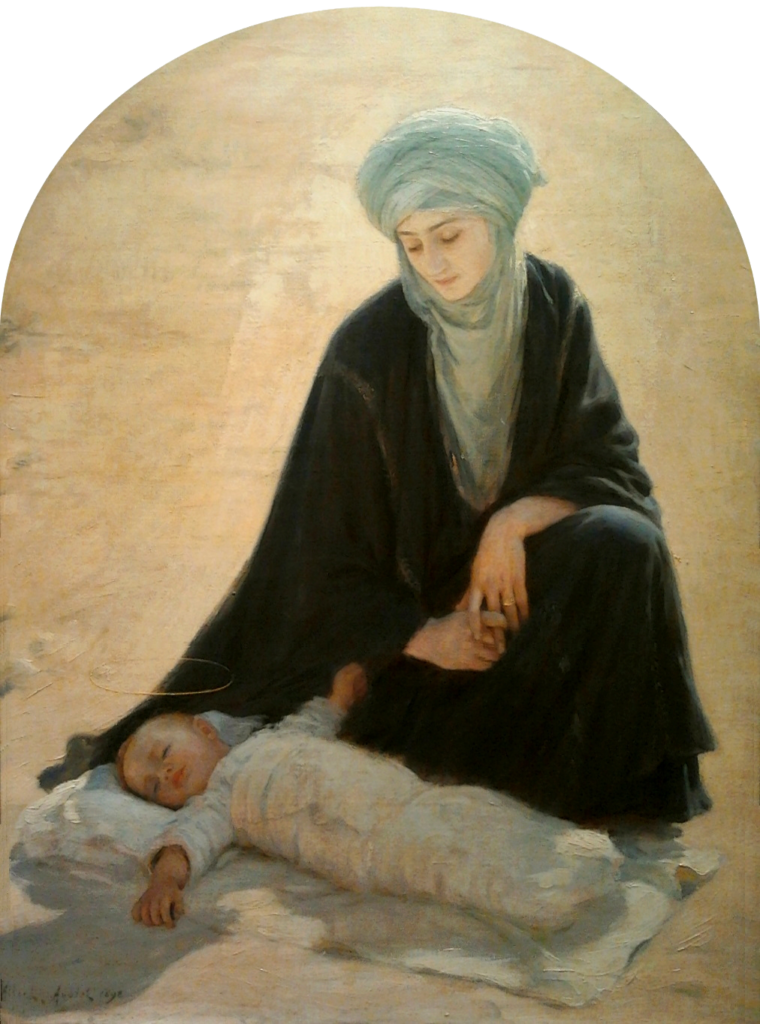
Arabic Madonna and Child (Christ Sleeping in the Desert).
Albert Aublet, 1898, oil on canvas, Diocesan Museum in Płock, Płock, Poland. Public Domain.
Visio divina
ALBERT AUBLET:
Arabic Madonna and Child
(Christ Sleeping in the Desert)
MO. GIOVANNA GARBELLI, OCSO
In Aublet’s painting of the Nativity, we cannot see the manger; only the Arabic desert is visible, reminiscent of Franciscan poverty. Yet, the gentle Virgin Mary is there. She contemplates Jesus who is lying on the sand after she had lulled Him to sleep and tied his limbs with swaddling bands.
She kneels on the bare sand, absorbed in the mystery of this Baby, keeping it in her heart.
READ NOW
sacred music
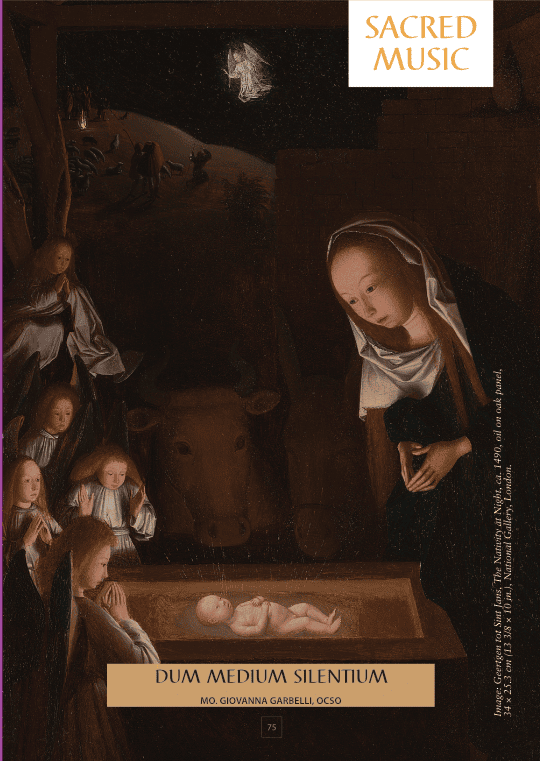
DUM MEDIUM SILENTIUM
MO. GIOVANNA GARBELLI, OCSO
“While peaceful silence enveloped all things, and night in its swift course was half spent, your all-powerful word, O Lord, leaped down from heaven from the royal throne.”
Composed in the eighth Gregorian mode, the melody is solemn and rich. The word that is most underlined is regalibus, and we therefore are made aware of the regal dignity of God. He keeps everything in his power and royally disposes of everything for the good of his creation and humanity. The strength of God is for life and salvation.
Composed in the eighth Gregorian mode, the melody is solemn and rich. The word that is most underlined is regalibus, and we therefore are made aware of the regal dignity of God. He keeps everything in his power and royally disposes of everything for the good of his creation and humanity. The strength of God is for life and salvation.
CALL FOR CONTRIBUTIONS
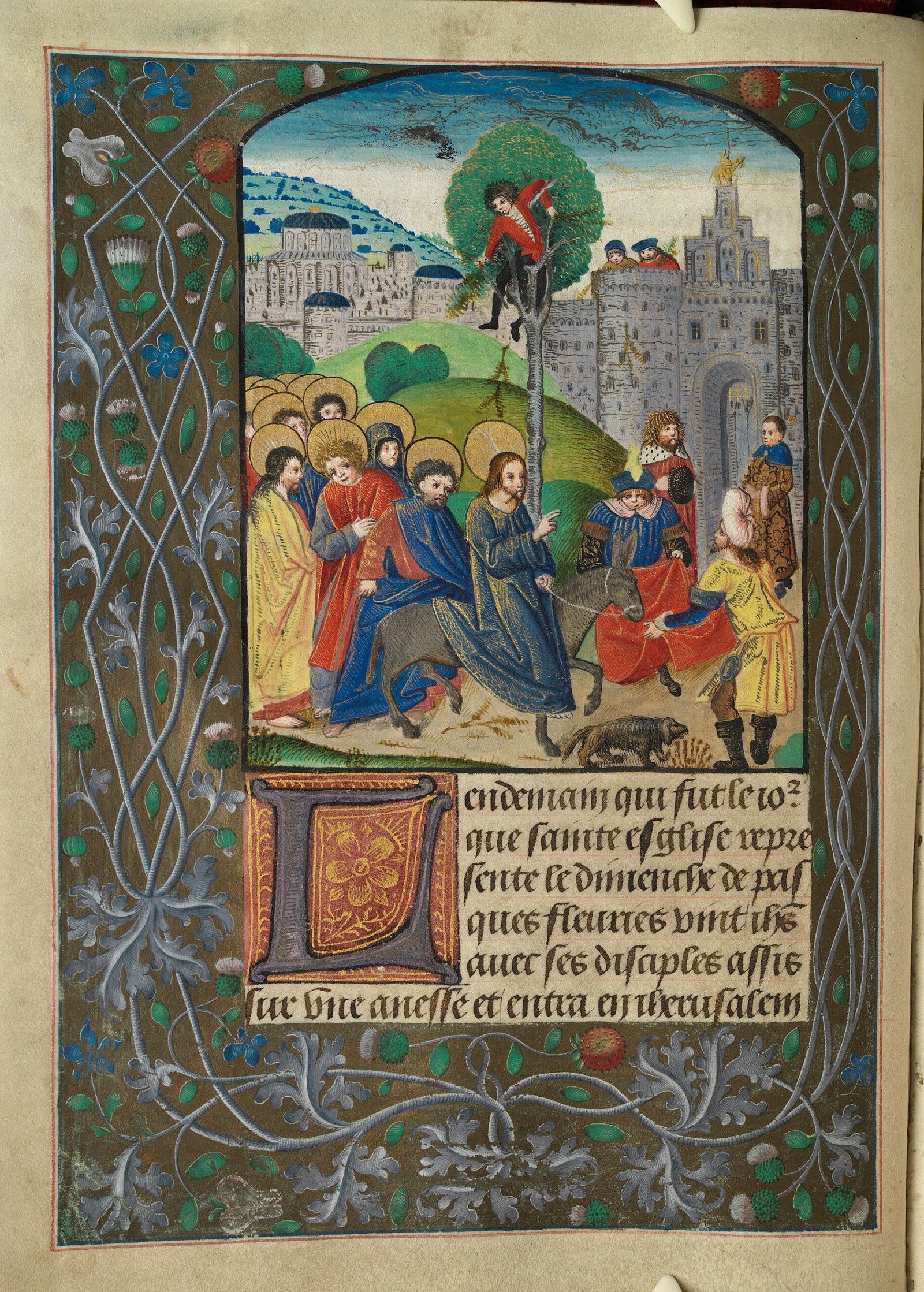
Entry into Jerusalem.
Miniature from the Vaux Passional (London or Flanders, c. 1503–1504). National Library of Wales, Peniarth MS 482D, fol. 17v. Public domain.
CALL FOR CONTRIBUTIONS • UPCOMING ISSUE
Lent
We invite monks, nuns, and friends of the Cistercian family to share theological reflections, lived monastic experiences, poetry, visio divina, sacred music, and photography for our upcoming Lenten edition.
Suggested length: 500–2,500 words
Longer reflections are gladly accepted provided
they may be edited for length and clarity.
Send to: clqm@trappistinesmatutum.org

CONTACT US
Questions or feedback? Reach out to Colloquium’s editorial team anytime.
“ERO CRAS”: The ‘O’ Antiphons
AbstractAdvent already carries a movement within its very name: someone is coming. And [...]
READ MORE
27
Nov
Nov
Awaiting the Light of the World
SR. JOSIE TUPAS, OCSO The modern understanding of time is linear, metric, and [...]
READ MORE
27
Nov
Nov
Towards a Theology of Vigils
MO. ELEANOR CAMPION, OCSO The hour of rising is so determined that Vigils [...]
READ MORE
27
Nov
Nov

“USHIMITSUDOKI” and Awakening Before Dawn
DOM FRANCISCUS YOSHIMOTO KUNIHIKO In the traditional Japanese sense of time, the hours [...]
READ MORE
27
Nov
Nov
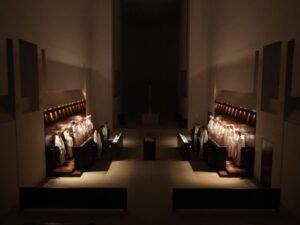
Vigils – from the Book of my Experience
DOM BERNARDUS PEETERS, OCSO Like so many brothers and sisters, I found that [...]
READ MORE
26
Nov
Nov
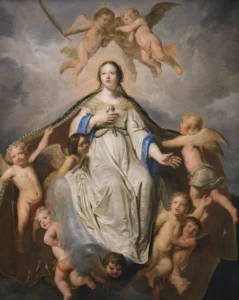
Mary and the Monk
DOM AUGUSTINE ROBERTS, OCSO Where does Mary fit among the many elements of [...]
READ MORE
13
Aug
Aug
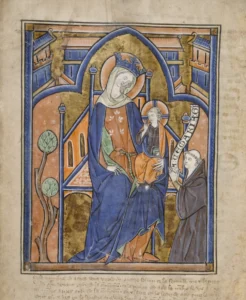
Litany of Mary’s Praises in Blessed Oglerio of Locedio
SR. JULIE ANN PESONGCO,OCSO The Second Vatican Council taught that the authentic renewal [...]
READ MORE
13
Aug
Aug
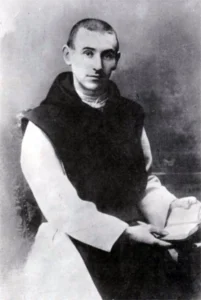
Blessed Joseph-Marie Cassant
MO. AUGUSTA TESCARI, OCSO Except in monastic circles—especially French-speaking ones—Blessed Marie-Joseph Cassant is [...]
READ MORE
13
Aug
Aug