
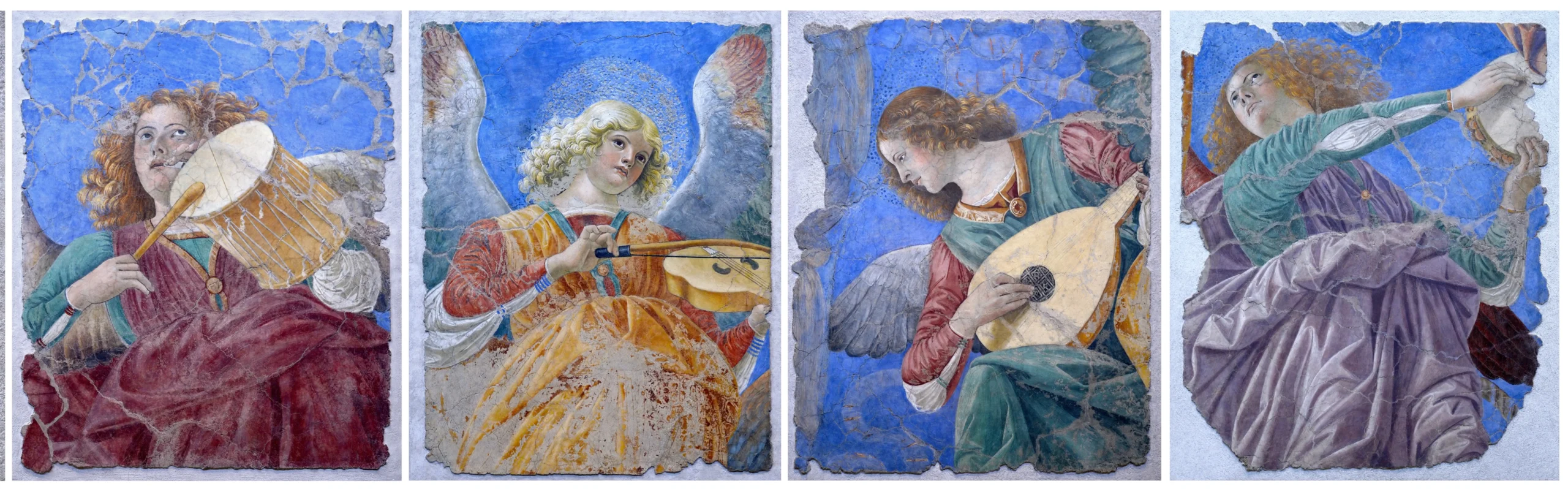
Angels, Melozzo, Pinacoteca Vaticana, ca 1480
Wikimedia Commons
SACRED MUSIC
Musical art has a unique calling to instill hope in the human soul, so marked and sometimes wounded by the earthly condition. There is a mysterious and profound kinship between music and hope, between song and eternal life: it is no coincidence that Christian tradition depicts the blessed spirits singing in chorus, enraptured and ecstatic with the beauty of God.”
-Benedict XVI
VIRGA JESSE
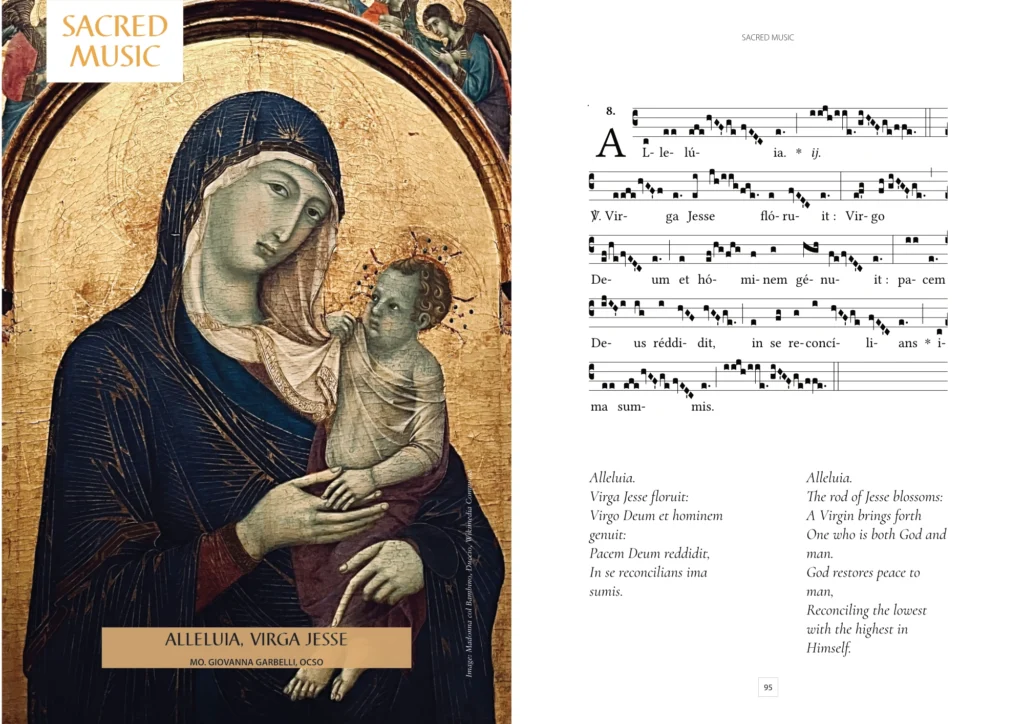
he Alleluia text celebrates the ‘flower’ that buds from the stump of Jesse: the God-man, the mediator who will definitively reconcile God and humanity. It is sung on the Fourth Sunday of Advent in Year A and echoes one of the ‘O’ antiphons. The stump of Jesse’s root is a sign of God’s love for all people, having sprouted and blossomed into the Saviour.
O Root of Jesse’s stem,
Sign of God’s love for all his people,
Come to save us without delay.
However, this Alleluia is sung every year on the Feast of the Nativity of Mary, as she is the New Eve whose birth reversed the Fall of Man. During this feast, we remember the stump of Jesse as we read the Gospel account of the genealogy of Jesus.
We are all part of God’s family tree. Jesus has a genealogy.
It may seem surprising, but I have always been thrilled to hear the names mentioned in the first chapter of the Gospel of Matthew. As the priest proclaims them, we trace Jesus’s royal lineage from Abraham to Joseph and Mary. We thank God for His lovingkindness in including sinners and women in it.
Our Cistercian Fathers loved this Feast and wrote beautiful sermons celebrating God’s mercy. I particularly love St. Aelred’s sermon on the Nativity of Mary. In it, he views Jesus’s genealogy as a miracle of God’s mercy.
“Today, God has begun to reveal his wonderful mercy and compassion to us, which he promised to Abraham many years ago. Through his descendants, all nations would be blessed. He says, ‘In your descendants, all nations will be blessed’ (Gen. 22:18; 26:4). Today, the seed from which Christ our God, the sun of justice, arose was born. (Ant. Nat. BVM). Not only one people, but all peoples have certainly been blessed in him because faith in Christ and his blessing are for all nations.”
Aelred also discusses the descent and ascent implied by the Matthean genealogy. He imagines it as a three-step staircase that Christ descended and that we must now climb.
READ FULL ARTICLE
Mary and the Monk
DOM AUGUSTINE ROBERTS, OCSO Where does Mary fit among the many elements of monastic life? [...]
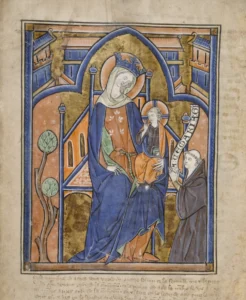
Litany of Mary’s Praises in Blessed Oglerio of Locedio
SR. JULIE ANN PESONGCO,OCSO The Second Vatican Council taught that the authentic renewal of religious [...]
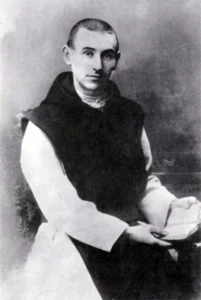
Blessed Joseph-Marie Cassant
MO. AUGUSTA TESCARI, OCSO Except in monastic circles—especially French-speaking ones—Blessed Marie-Joseph Cassant is a very [...]
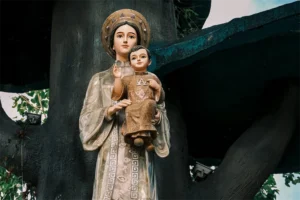
Mẹ Maria: Reflecting on Vietnamese Marian Devotion
SR. MARTA HA THI THANH THUY I first came to know Our Lady through my [...]
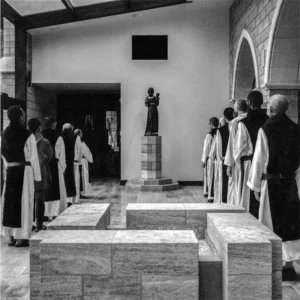
My soul magnifies the Lord!
DOM PAUL MARK SCHWAN, OCSO What elements make up a Cistercian devotion to the Blessed [...]
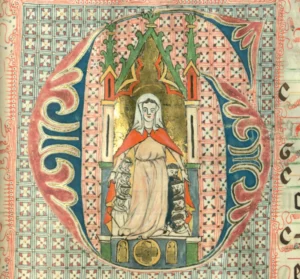
Mary, Queen of Citeaux
DOM DAVID LAVICH, OCSO We might find it curious to note that the name of [...]
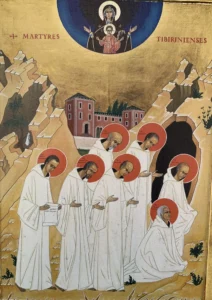

WHO IS BLESSED GABRIELLA?
The step towards the ultimate goal of life always requires a very high act of [...]